
City Reveals Which Dallas Households Will Lose Alley Trash Pickup Next Year
Share News:

Those in Dallas worried that their alley trash pickup service would soon be discontinued can now find out if they’re one of the unlucky ones, with the Sanitation Department identifying roughly 2% of all residential customers that will be going curbside next year.
A new trash pickup transition website has been launched with a map showing which customers will be impacted by the city’s effort to reduce accidents in problematic alleyways. Sanitation officials will be communicating directly with every residence marked for transition via written notice before the change in service takes effect at the beginning of February 2027.
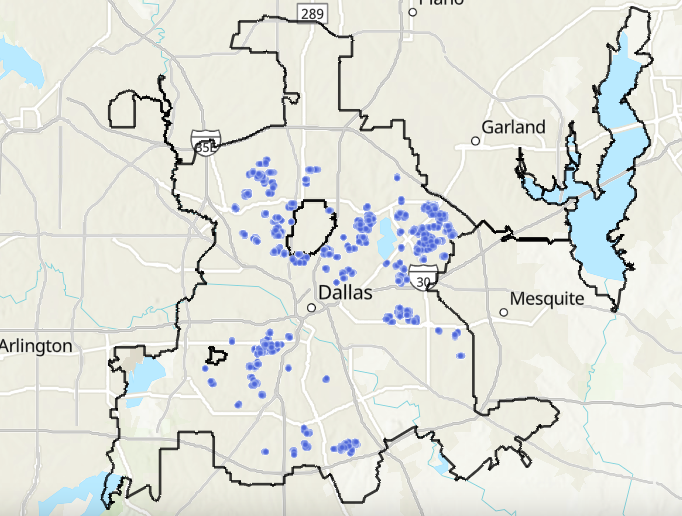
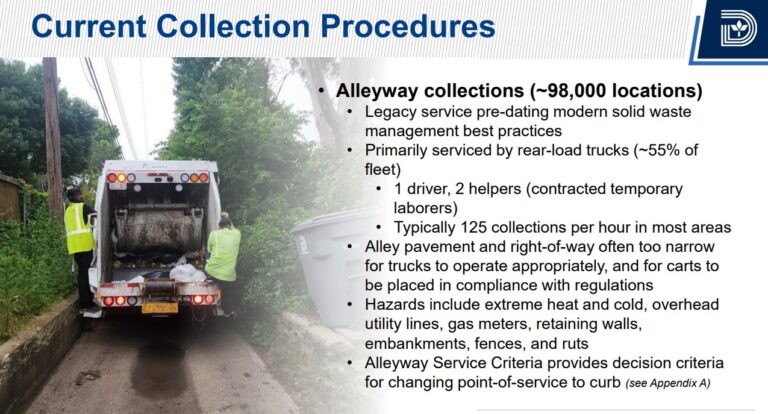
“Some alleys are too narrow, or have surfaces like dirt, gravel, or badly broken pavement that aren’t safe or efficient for garbage and recycle pickup,” the website reads. “As part of a citywide review, about 200 alley blocks (approximately 6,000 homes) are moving to curbside service to keep pickup safe and reliable.”
Homes slated to transition from alley to curbside collection are concentrated in many of Dallas’ older neighborhoods, including parts of Lakewood, Old East Dallas, Lower Greenville, North Dallas, Oak Lawn, Bluffview, West Dallas, and North Oak Cliff. Smaller clusters also appear near the Medical District and Love Field, with comparatively few affected properties in southern Dallas.
In 2024, Sanitation Director Clifton Gillespie announced plans to transition all alley collection to curbside, arguing the change would improve worker safety, reduce property damage, and lower long-term operating costs. Residents who stood to be impacted pushed back almost immediately, arguing the move would burden seniors and people with disabilities and undermine the alley-oriented design of many of Dallas’ older neighborhoods.
An online petition quickly gathered thousands of signatures, and the issue became a recurring topic at City Hall. A citywide survey found that 93% of respondents who had alley service wanted to keep it, with many indicating they would even pay more to preserve it.
Officials claimed the initiative was well within the purview of the sanitation director’s authority and did not require approval by council members. But staff shifted gears over the course of some months as pressure mounted, with Gillespie and City Manager Kimberly Tolbert announcing they would take a more targeted approach.
Staff said the city will explore new equipment, technologies, and service models — including an independent review of private collection options — while limiting curbside transitions to alleys that present significant safety or operational challenges for now.
The Sanitation Department plans on helping residents with qualifying disabilities who live without an able-bodied person in their household through the city’s Helping Hands program. Once enrolled, residents will have their trash and recycling bins retrieved from their alleyways and moved to the curb by sanitation workers for collection.
Helping Hands service applies only to regular garbage and recycling collection and does not include monthly brush and bulky item pickup. Participants enrolled for more than two years must periodically renew their eligibility.
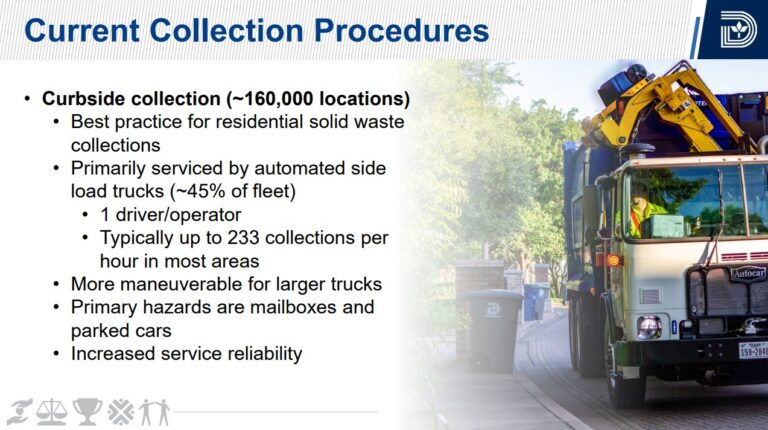
City officials have said alley collection costs more than curbside service because it requires additional personnel and equipment. A tiered rate structure is expected to be proposed as part of the city manager’s recommended FY 2026-2027 budget in August.
Paying the higher rate for alley collection, however, will not guarantee perpetual service. “Alley service still depends on safe access and reliable collection conditions, which Sanitation reviews regularly,” the Sanitation Department’s website reads.