
The Mary Kay Homes That Defined a Dallas Legacy — and the Son Who Carried It Forward
Share News:

Richard Rogers passed away last week, and it got me thinking — not just about the company he built with his mother, Mary Kay Ash, but about the homes that came along with it.
The mother-son duo started that business in 1963 with $5,000 and a belief that wasn’t just optimistic. It was disruptive. Women weren’t being handed real financial opportunity. Mary Kay changed all that.
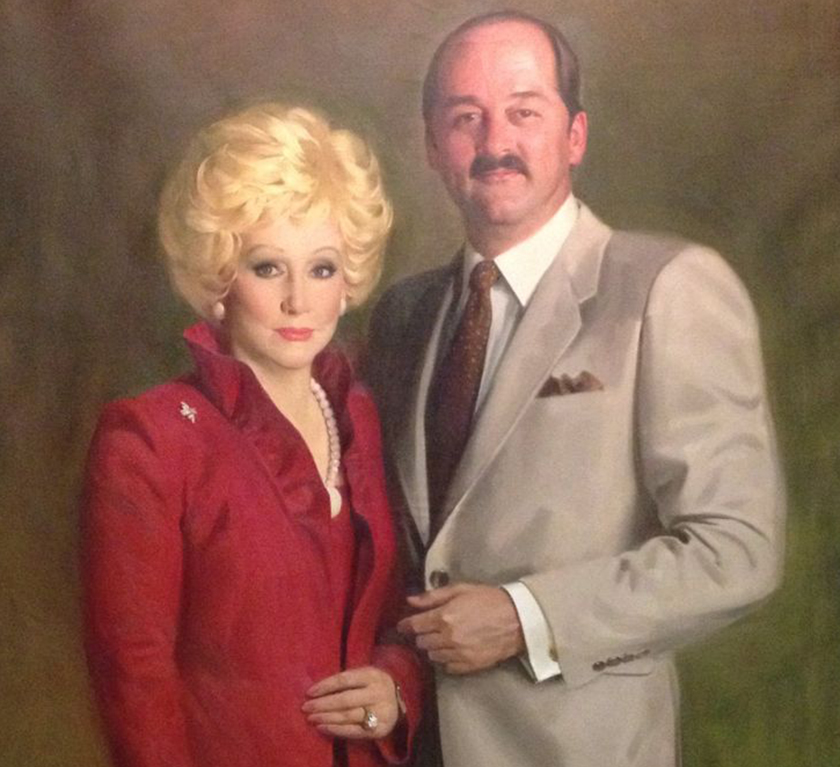
As the company grew, so did the houses. Not a huge collection. But each one says something.
I experienced that firsthand. In the early ’80s, I moved to Dallas from Washington, D.C. to work for the iconic cosmetics company. Mary Kay interviewed me herself — which sealed the deal. She was engaging, charismatic, unlike anyone I had ever met.
As creative director, I had the opportunity to spend some time in the homes, seeing how she actually lived in them. That’s where the real story is.
7246 Lupton Circle: The “Donut” House
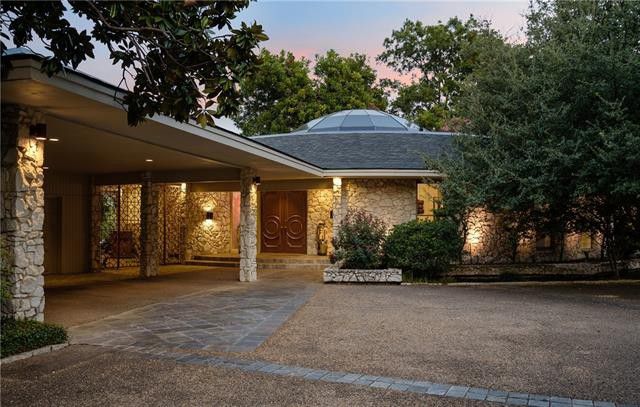
In 1969, Mary Kay and her husband Mel built their home at 7246 Lupton Circle, enlisting renowned architect Frank L. Meier. At the time, it was completely unexpected.
The house is a true circle anchored by a massive glass dome that pulls light into the center. Instead of hallways, rooms open off that central space. The back wall is almost entirely glass, looking out over a private lake. Even the pool mirrors the shape.
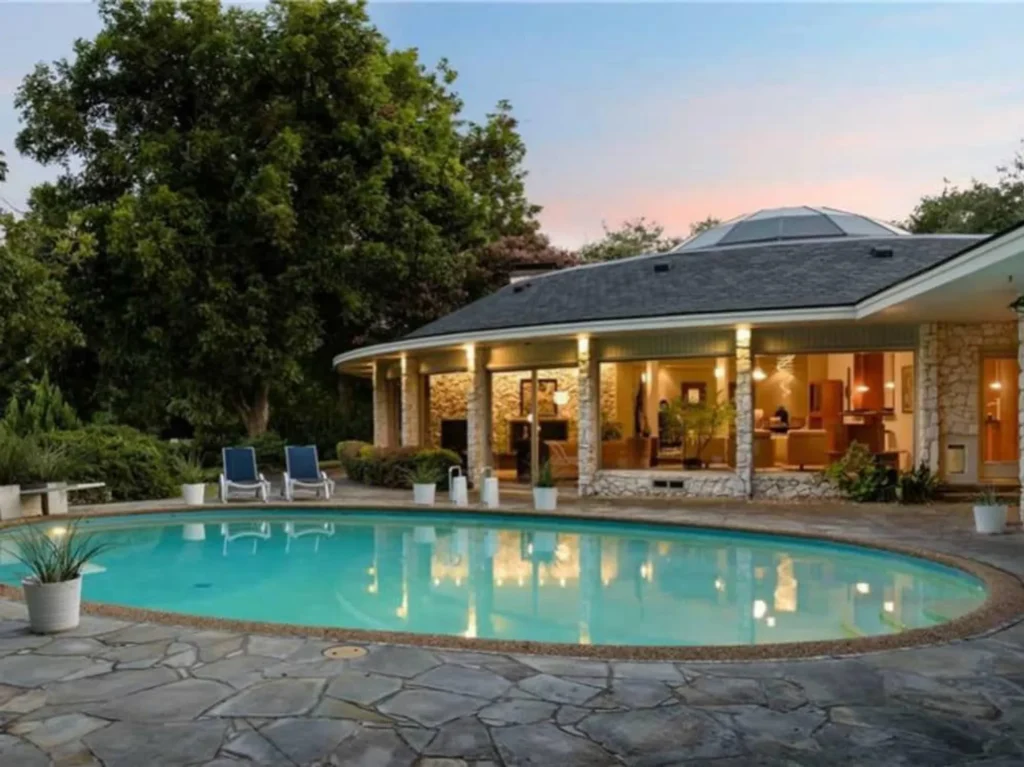
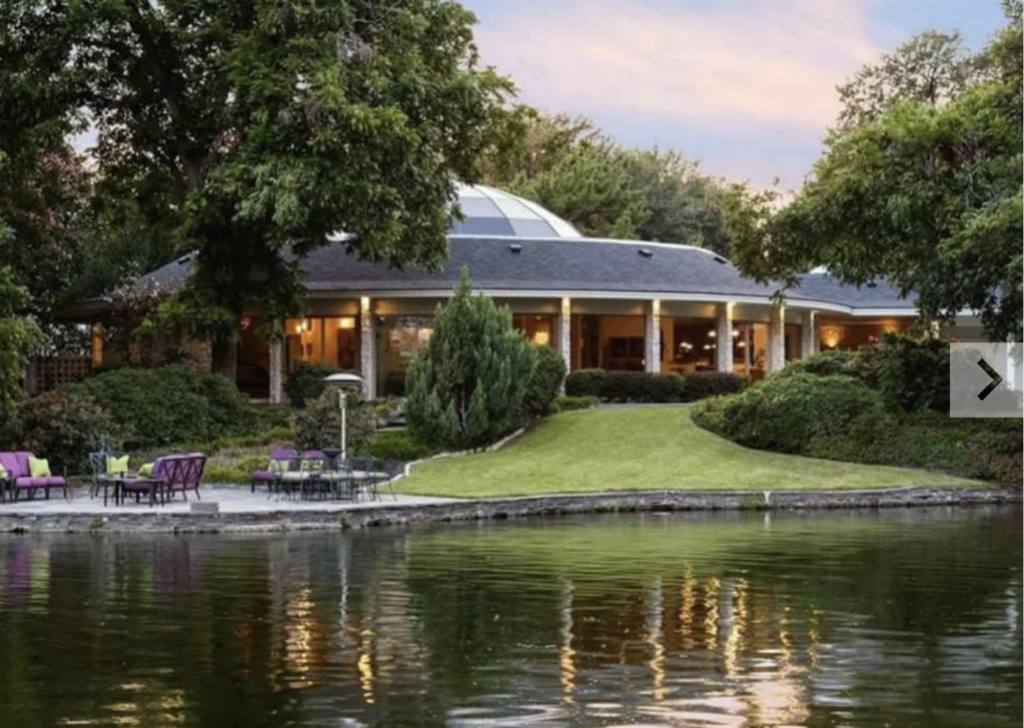
It wasn’t an accident that Mary Kay never sold the Lupton house. Years later, even after the Douglas Avenue mansion, she returned to the home she loved most.
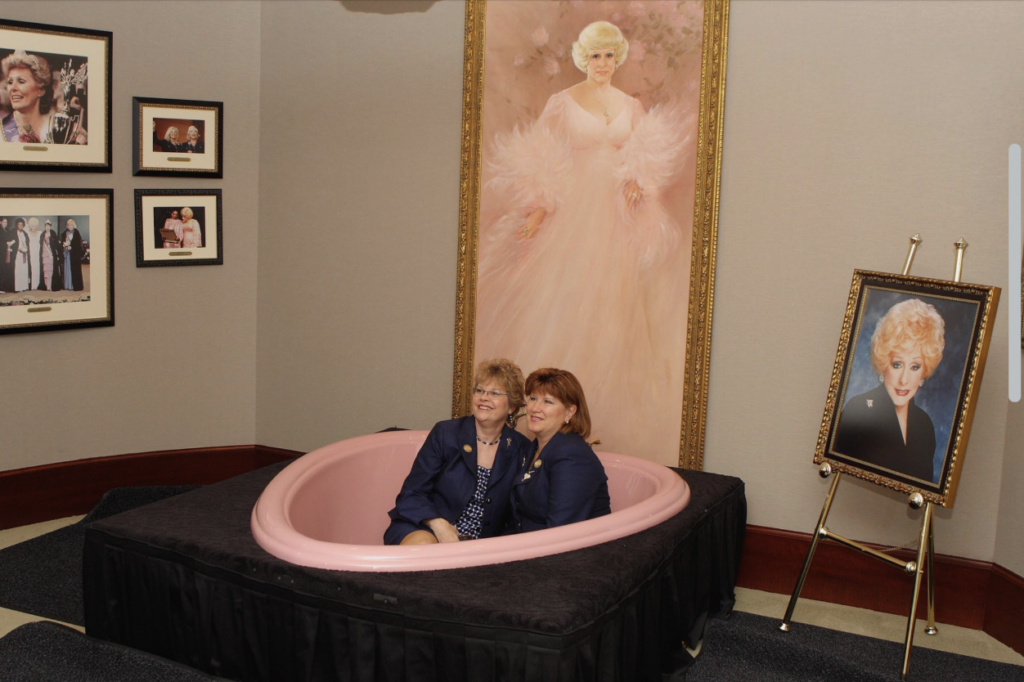
I recently reminisced with Barbara Beasley, a former boss and now friend. Who could forget the heart-shaped bathtub? “Every Consultant wanted their picture made in it,” she recalled.
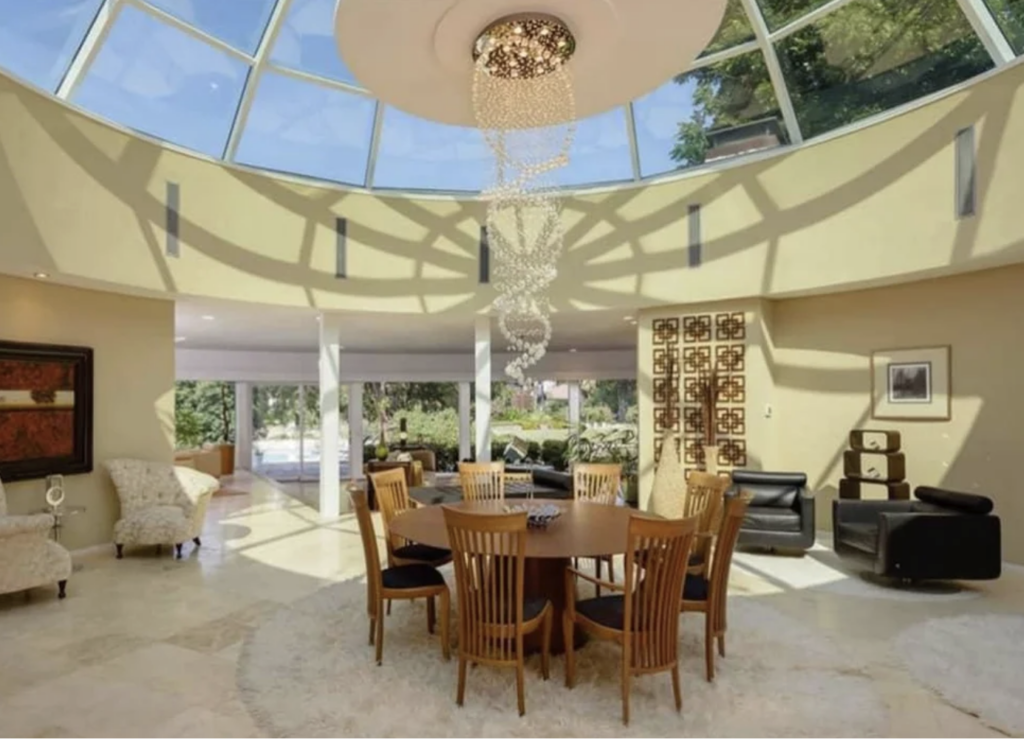
We also talked about the glass-domed atrium. As the business grew, maintaining real plants simply wasn’t practical. True to form, Mary Kay filled the space with artificial greenery. Same effect. No upkeep.
And then there was the powder bath — complete with a cardboard “throne” over the toilet. Seat down, I learned the hard way that it was more decorative than functional.
Richard Rogers: Harbor Town and the Meier Connection
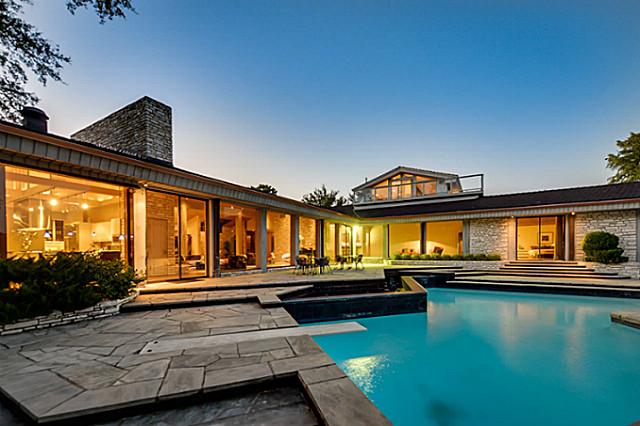
Mary Kay wasn’t the only one with a Frank Meier house. In 1981, her son Richard commissioned the architect to design his home at 5622 Harbor Town Dr. in Bent Tree North.
Like Lupton Circle, it was ahead of its time, situated on nearly two acres along the golf course. Walls of glass, long horizontal lines, and a layout built around views defined the design.
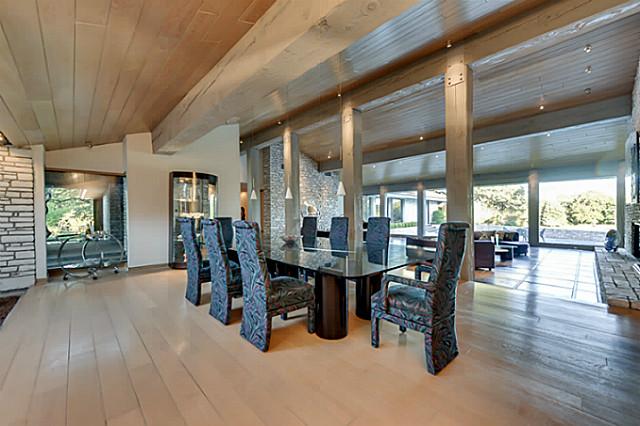
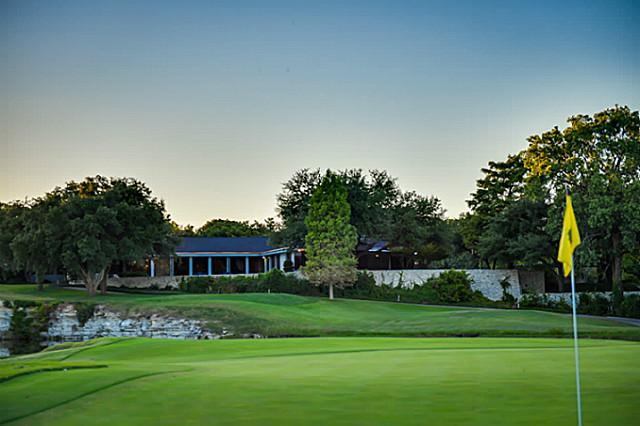
It was also built to a different standard: More than 100 piers. Commercial-grade construction. Structural planning that went far beyond typical residential builds.
When Richard decided to sell, it was my job to art direct the marketing shoot, which is when you really understand a house. Not just how it looks, but how well it holds together. This one did.
Douglas Avenue: The Pink Mansion
In between her times at Lupton Circle, Mary Kay built the house everyone expected her to have.
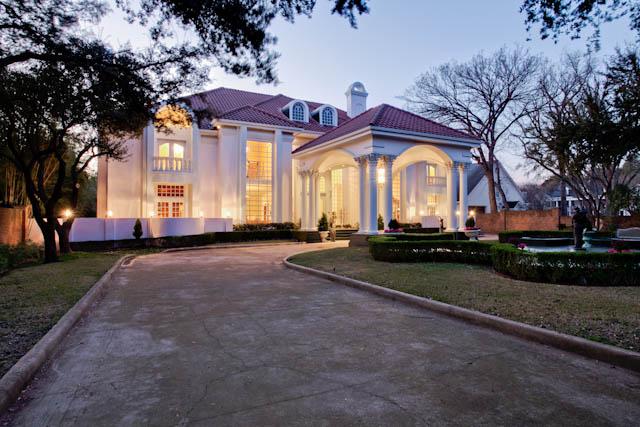
The estate at 8915 Douglas Ave., completed in 1984, was grand, traditional, and unmistakably hers — right down to the pink exterior. Nearly 12,000 square feet of marble, columns, and high-gloss everything.
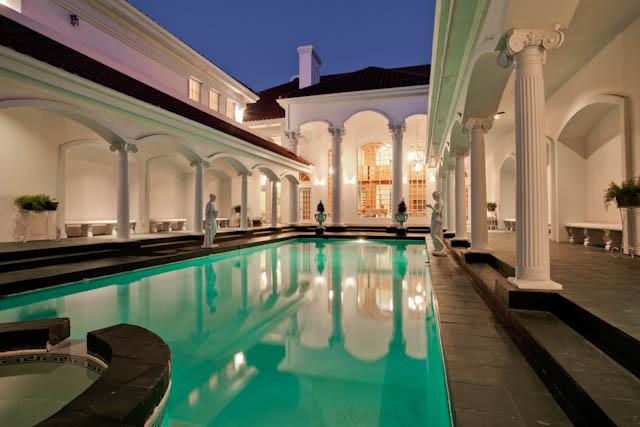
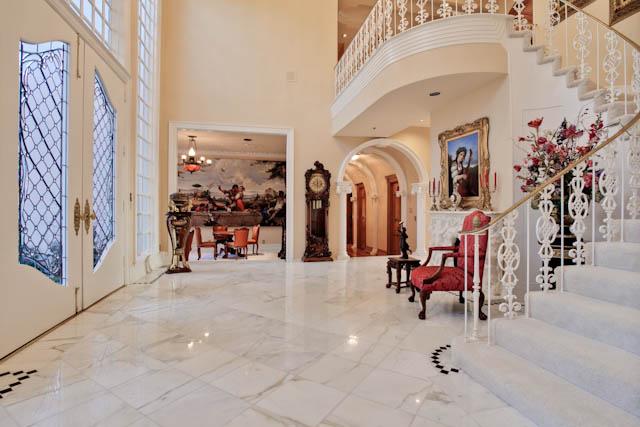
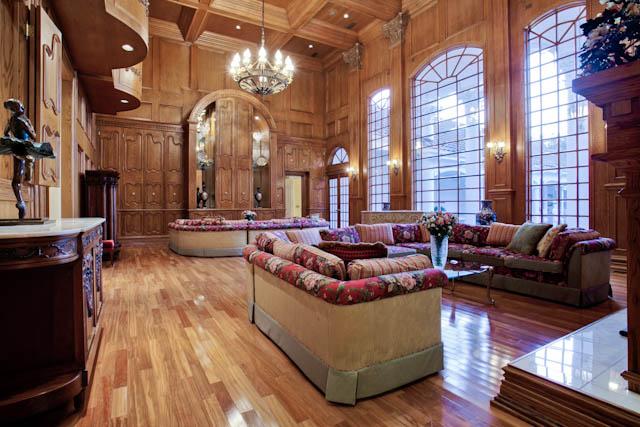
Barbara shared a story I hadn’t heard before. When the home was part of a Dallas Symphony showhouse, designers elevated the interiors, introducing more elaborate furnishings and layering decorative elements throughout.
Unlike other show homeowners, Mary Kay stood at the front door and greeted every guest. And when it was over, she insisted that everything be put back exactly the way it had been.
“Not similar. Not updated. Exactly,” laughed Barbara.
We also talked about the details that made the house so distinctly hers — a grand piano, a circular glass “jewelry case” filled with figurines, and, as she put it, “that Christmas tree…Mary Kay had it wrapped, decorations and all, so she could just bring it back out the next year and be done.”
Yet, after just a few years on Douglas, Mary Kay realized Lupton Circle was home.
The Douglas Avenue house sat on the market for years — at one point listing for $5.7 million — before finally selling in 2015 for $1.85 million. Credit Allie Beth Allman agent Karen Luter for ultimately closing the deal.
By 2017, it was torn down.
9806 Inwood Road: Preston Hollow at Its Peak
The next chapter shifts in scale — and in significance.
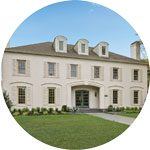
In April 2024, Richard Rogers and his wife Nancy purchased the estate at 9806 Inwood Road, a more than 14,000-square-foot French-inspired property set on over five acres. Known as Dans Bois Crête, the home has been recognized as one of the most significant estates in Dallas, both in price and presence.
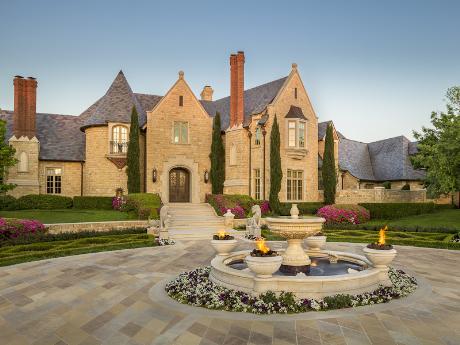
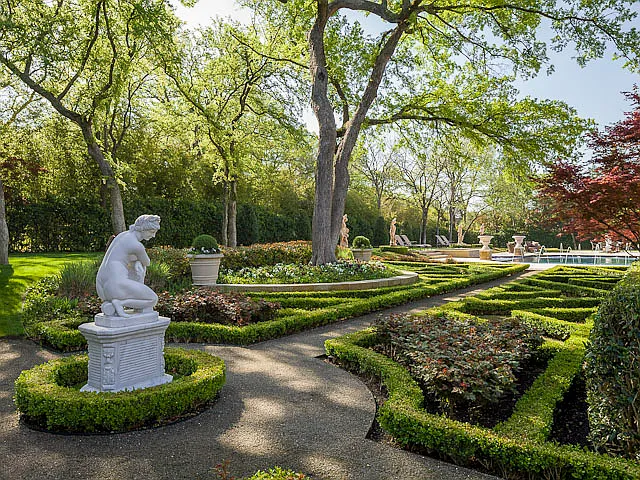
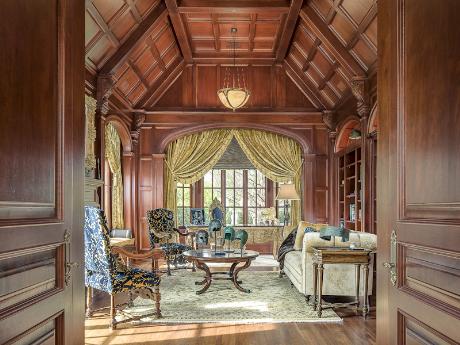
This is legacy-level Preston Hollow: gated grounds, a long approach, formal architecture, and interiors designed for large-scale living, from entertaining spaces to private amenities including a full spa and beauty salon.
A different kind of statement — one rooted in scale, setting, and a level of permanence that defines Preston Hollow at its best.
Of all Mary Kay’s homes, Douglas Avenue is the one people remember.
Yet it was Lupton Circle she chose — twice. Not because it made the biggest impression. Because it worked. And that, truly, was Mary Kay.
1 Comment
Leave a Comment




The heart-shaped bathtub wasn’t part of the original Round House, that was installed at headquarters so DIQs could continue their good-luck tradition of having their photos taken in it. I interviewed the late Frank Meier a couple of times for my book SELLING OPPORTUNITY: THE STORY OF MARY KAY, which Random House is publishing on April 28. If you enjoy reading the stories behind her houses, you’ll find a lot of stories about them—and her previous residences—in the book.