
After This Weekend’s Storms, Here’s Your Quick Refresher on Weather Warning Sirens
Share News:


Ever since the North Dallas tornado tore through neighborhoods in 2019, the sound of outdoor warning sirens has taken on a new intensity for many of us. That sudden wail can jolt even the calmest among us. But what do the sirens actually mean — and how should you respond?
Cities and counties across North Texas, including Dallas, Fort Worth, Frisco, Plano, and Arlington, operate outdoor warning sirens as part of their emergency alert systems. These sirens are not just for tornadoes — they’re designed to alert people outside that dangerous conditions are imminent. If you hear them, it’s not the time to speculate — it’s time to act.
When Do the Sirens Sound?
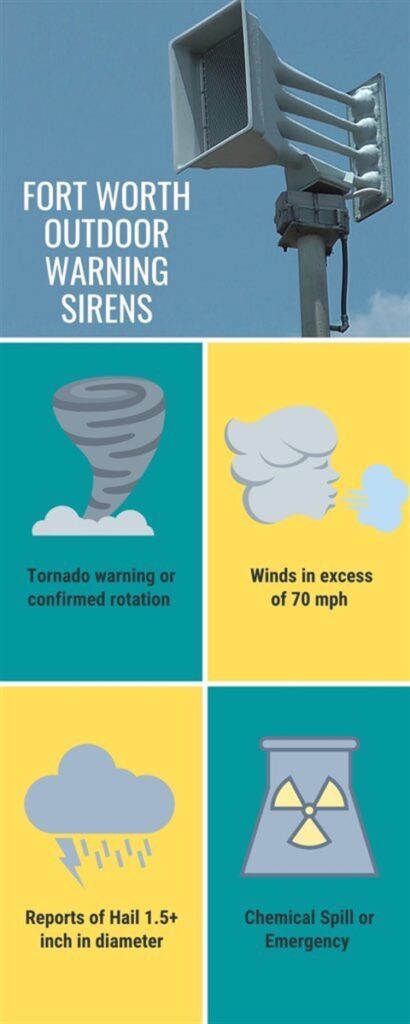
In most North Texas cities, including Dallas and Fort Worth, outdoor warning sirens are activated when any of the following occur:
- A tornado warning is issued by the National Weather Service within city limits or nearby.
- Winds exceed 70 mph, which can cause widespread damage.
- Hail of 1.5 inches or larger is detected.
- A confirmed tornado or funnel cloud is reported by trained storm spotters.
- Other emergency situations, such as a hazardous materials spill, where immediate mass notification is necessary.
Frisco will activate its sirens under slightly different criteria: hail of 1.25 inches or greater, winds of 70 mph or more, or any tornado threat.
Plano uses similar guidelines, sounding sirens for:
- Tornado warnings within city limits.
- Winds greater than 70 mph.
- Hail larger than 1.25 inches.
- Confirmed tornado sightings.
Arlington’s sirens are activated during:
- Tornado warnings or sightings.
- Extreme wind events (generally 70+ mph).
- Hail greater than 1.25 inches in diameter.
It’s worth repeating: these are not “tornado sirens.” The term is outdated. They’re outdoor warning sirens that indicate any type of immediate threat, not just tornadic activity. They don’t tell you what the danger is — only that it’s time to seek shelter.
What Should You Do When You Hear the Sirens?
- Get inside immediately. Go to an interior room on the lowest floor, away from windows.
- Grab your pre-packed emergency bag with a weather radio, flashlight with extra batteries, a wrench or pliers to turn off utilities, bottled water and shelf stable food, a first-aid kit, and other items on an emergency preparedness checklist.
- Use a weather app, NOAA weather radio, or local news to get more information. The sirens don’t give details, so you’ll need a secondary source.
- Stay alert. Even if your area seems calm, severe weather can move quickly and conditions can change in minutes.
The outdoor warning system is tested on the first Wednesday of every month at noon if there’s no threatening weather. This helps ensure that there is no confusion about if it’s a test or a real activation.
Watch vs. Warning: What’s the Difference?
It’s easy to confuse the two — here’s the quick breakdown:
- Watch: Conditions are favorable for dangerous weather. Keep an eye on the sky and stay close to shelter.
- Warning: Severe weather is happening or imminent. Take cover immediately.
Hail
Curious about the various hail sizes? Here’s the guide according to the City of McKinney Emergency Preparedness office:
Pea = 1/4 inch diameter
Marble/Mothball = 1/2 inch diameter
Dime/Penny = 3/4 inch
Nickel = 7/8 inch
Quarter = 1 inch
Ping-pong ball = 1 ½ inches
Golf ball = 1 ¾ inches
Tennis Ball = 2 ½ inches
Baseball = 2 ¾ inches
Tea cup = 3 inches
Grapefruit = 4 inches
Softball = 4 ½ inches
How to Get Alerts on Your Phone
In addition to the sirens, most cities offer emergency alert notifications that can be sent directly to your phone:
- Dallas: AlertDallas
- Fort Worth: Fort Worth CodeRED Emergency Notifications
- Arlington: Arlington CodeRED notifications
- Frisco: Frisco CodeRED notifications
- Plano: Plano City Call System
Check your local city’s website for emergency alert systems. Not all cities have an alert system like CodeRED, so check the city’s site for info.
Old-School Advice That Still Works
Here’s a gem from Reddit that’s hard to argue with:
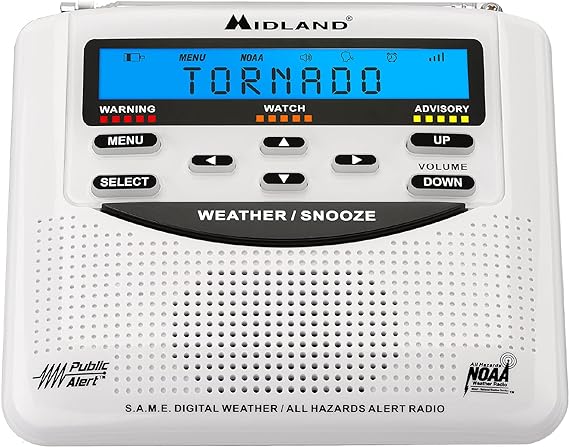
“Get a weather radio. It’s about $25. Plug it in a central location and forget about it. All weather in the U.S. comes from the same source: NOAA. The radio will yell at you when things ramp up. No fees. No subscriptions. Works 24/7 without the need for internet.”
It might not be the flashiest piece of tech in your home, but it’s still one of the most reliable. Here’s a well-recommended one on Amazon.
When the sky turns dark and the sirens start to wail, don’t wait to confirm the details. Shelter first — then check the forecast.
More Helpful Links
Report Storm Damage to the State of Texas: You can report property damage from weather disasters to help emergency management officials report and assess damage statewide. It may not fix your fence but it helps emergency declaration purposes for state funding.
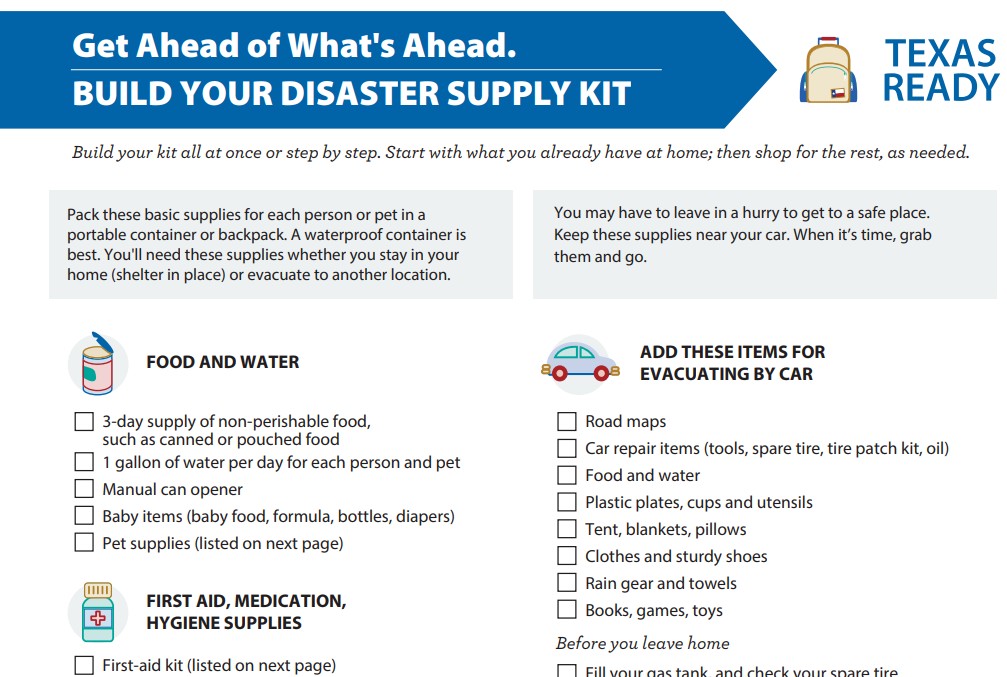
“Texas Ready” Emergency Kit Checklist: This list includes the basics plus some necessary things you wouldn’t think of like a manual can opener, bleach to purify water, toilet paper, and a whistle. Things are feeling a little dark here. Let’s move on.
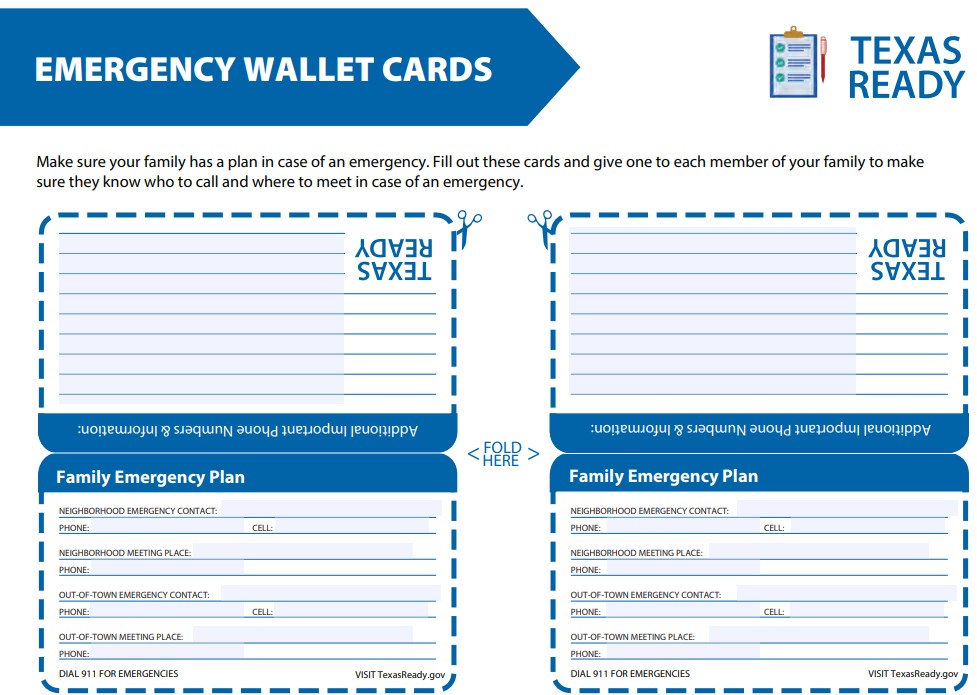
Downloadable Family Emergency Plan: This is a family conservation to decide how you will
get in contact with each other, where you will go, and what you will do in an emergency. There are also some little wallet cards you can fill out and stash with your emergency kit.
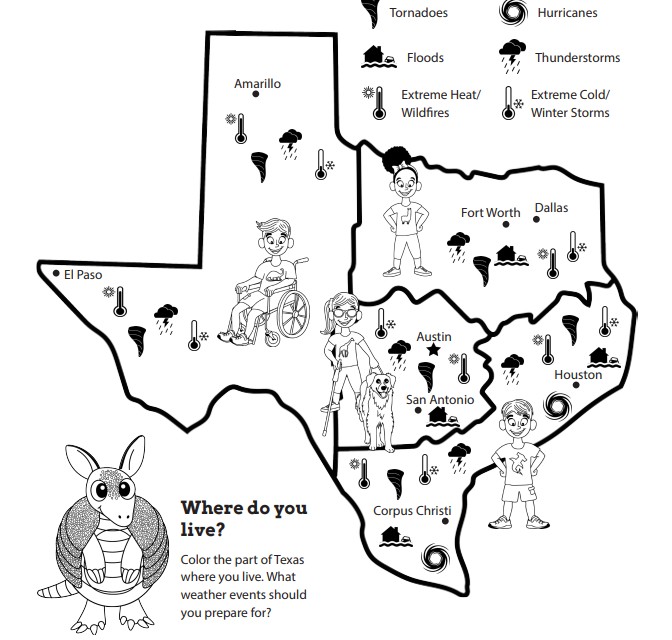
Emergency Preparedness for the kiddos: Here’s a downloadable activity book with coloring pages, fill-in-the-blank prompts, mazes, and other games to help educate youngsters on emergency preparedness. And if they’re not interested, it makes for good coloring for adults, too.
SKYWARN Storm Spotters Field Guide: Here’s an advanced guide for us weather nerds who really want to understand what’s happening with the weather. This is the actual guide that Skywarn Storm Spotters use, so many of the reporting metrics aren’t applicable, but it does include interesting info on the basics of thunderstorm development and life cycles, storm cloud identification, and all the different thunderstorm types. If you prefer a downloadable, printable version, here’s the PDF.

Volunteer to become a SKYWARN Storm Spotter: If all that information perked up your ears, you can take a free training class to become a SKYWARN volunteer spotter. That’s spotter, not tornado tracker ace.
“Who is eligible and how do I get started? NWS encourages anyone with an interest in public service to join the SKYWARN® program. Volunteers include police and fire personnel, dispatchers, EMS workers, public utility workers and other concerned private citizens. Individuals affiliated with hospitals, schools, churches and nursing homes or who have a responsibility for protecting others are encouraged to become a spotter. Ready to learn more? Find a class in your area. Training is free and typically lasts about 2 hours.”
1 Comment
Leave a Comment







Excellent information for everyone.
Thanks for sharing!