East Dallas Tenant Should Make Her Own House Hunting Show
Share News:

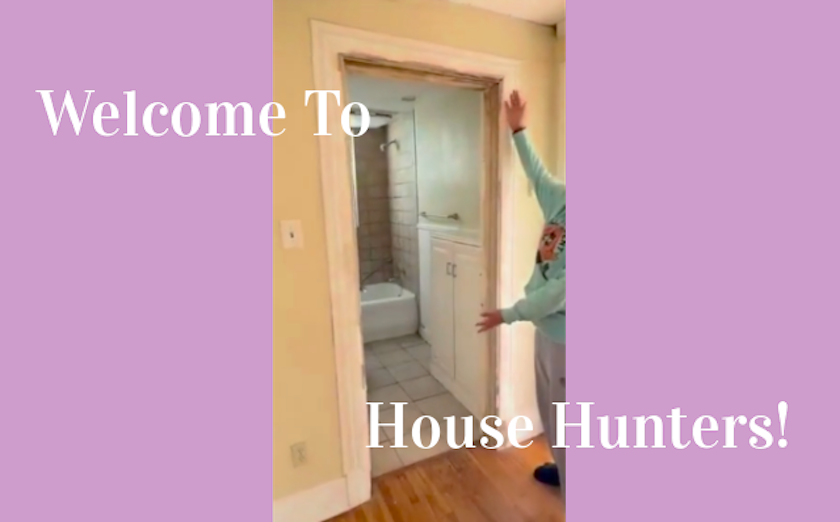
Welcome to a special edition of Upon Closer Inspection! This week, we’re looking at a home video that I found while scrolling one of my favorite neighborhood groups on Facebook. I found it to be so simultaneously clever and awful that I thought, “That’s perfect for my column.” I reached out to the poster and she agreed to participate, so here’s the scoop:
Today on House Hunters …
This is a video made by an East Dallas tenant, who recently had to move out of her rental home. When her lease came up for renewal a couple of months ago, her landlord suddenly increased the rent a whopping 25%, from $2,000/month to $2,500. More details to come, but first the video. It really grabs you from the get-go. “Step right over the historical brick … architecture here on the porch that might kill you and come inside.”
Deathbolts?
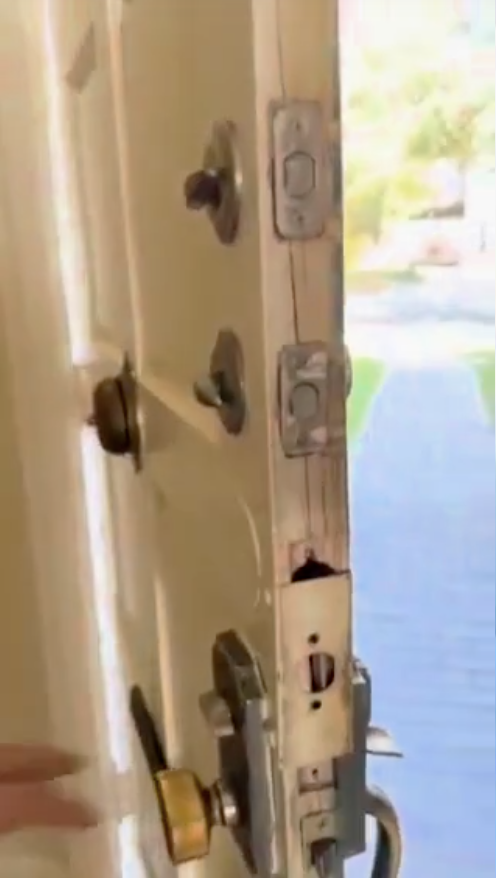
Let’s dive right in with that security system, the “75 deadbolts, only one of which sort of works.” Having extra locks like this, even or perhaps especially ones that don’t work, is a fire hazard. Not only does it pose a risk to the resident in terms of evacuating the property, but it’s an unnecessary waste of time for rescuers to have to deal with multiple locks to access the building during an emergency.
‘The Living Room Gets So Much Fresh Air’
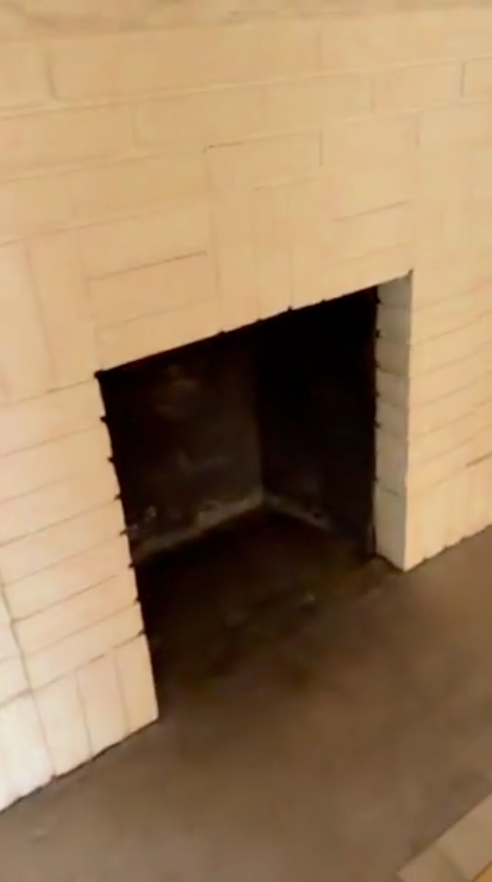
Next, we have a lovely historic fireplace that neither works nor has been sealed off. If you can’t utilize a fireplace, it needs to be sealed so it’s not just a giant vent to the outdoors, sucking conditioned air out and letting hot or cold air in depending on the season. This must be hell on the energy bills. Not to mention birds and other critters can just fly or creep right in.
‘A 2 x 4 Should Fix That’
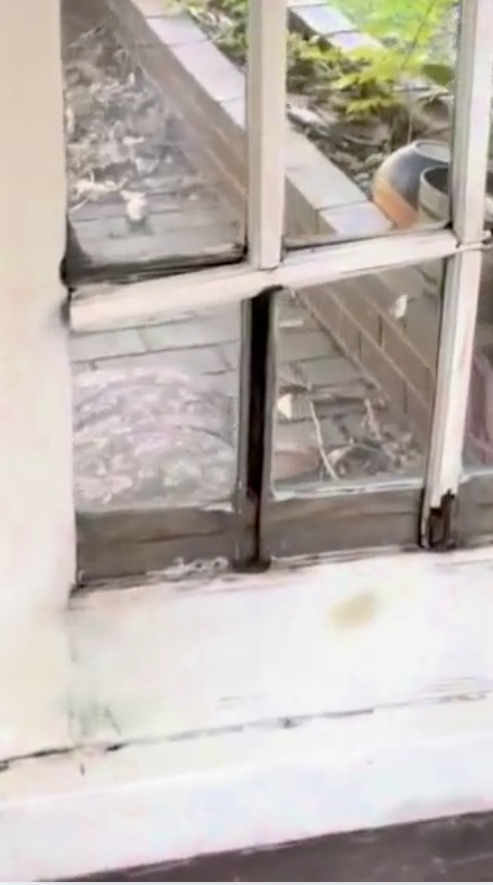
As our tour takes us into the charming sunroom, one can’t help but feel this might more aptly be dubbed the “rainroom” or perhaps even the “moldroom” given the situation on those French doors. I can smell that room, and it smells wet. I was irritated already, but I’m really getting angry. This is structural stuff that a tenant should not be living with. Stuff that is not up to code, that is not healthy for bodies or lungs.
Just from the video, it appears that the wood has rotted on the doors, the seals are broken on the glass panels and around the edges, so the doors likely need to be replaced completely. If the wood isn’t rotted through, you’d at least need to patch the parts that are rotted, caulk around the panes, and get new outer seals– and by the time you’ve done all that you really might as well have gotten new doors for the time you’d have spent.
What Is A Landlord Responsible For?
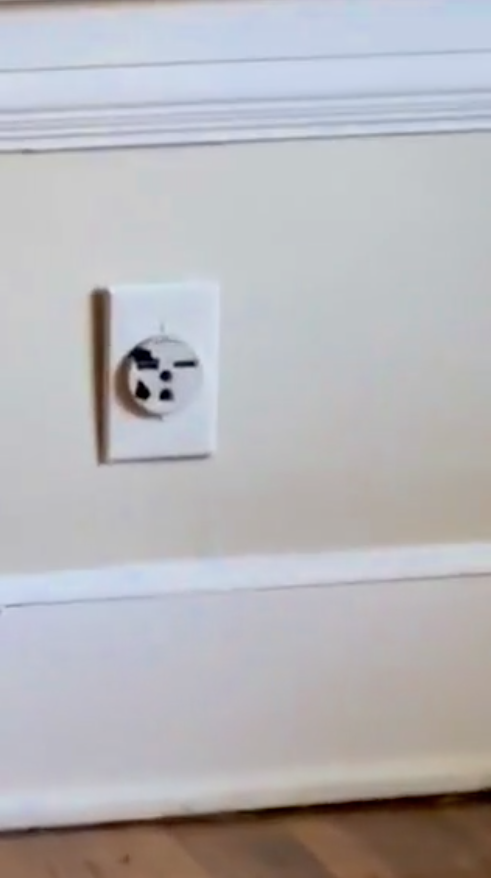
Continuing our tour, the tenant points out some broken blinds and outdated electrical outlets that would be great if one wanted to subscribe to a “service in 2014.” (I have a feeling she meant 1914, but who knows?) If we were doing a home inspection on this property, we’d call these items out as deficiencies and the home buyer may or may not ask that they be fixed or updated before purchase. Because this is a rental, is the landlord wrong for leaving the home in this condition? According to Texas law, it depends. If the landlord considers this damage to the blinds “normal wear and tear,” then he or she must fix it. If they don’t, they don’t have to.
As far as the outlets, as long as they don’t pose a danger, the landlord does not have to update old outlets in Texas. That surprises me. What if all the outlets in the house were these 1950s-style three-prong deals? You wouldn’t be able to plug anything in. Are you supposed to hire an electrician and update the whole house yourself?
Such An Adventurous Choice
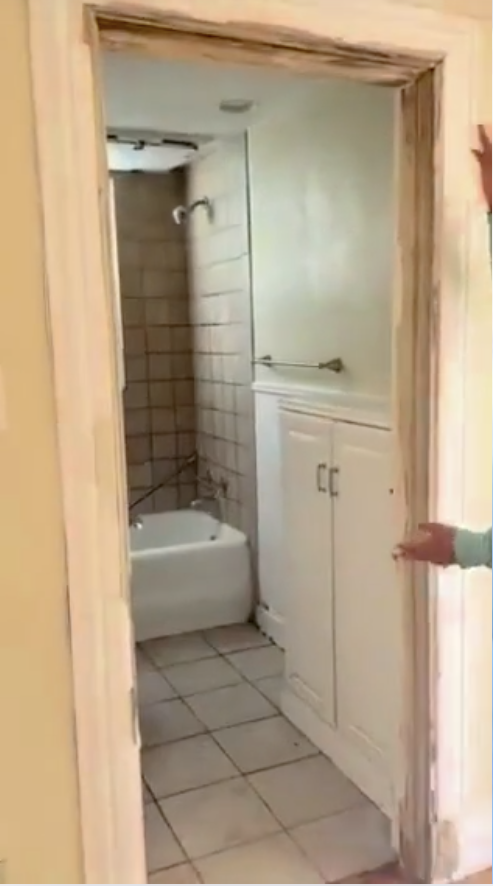
This bathroom really takes the cake. The tenant told me she put in repeated maintenance requests and was either denied, answered slowly, or the fix was worse than the initial problem. Also, the repair people were just unlicensed handymen– never actual plumbers or electricians or whatever. This was surprising to me, as I thought landlords would be required to send a licensed repair person into a tenant’s home.
Nope! In the state of Texas, a landlord is not legally required to use only licensed repair people; however, they are obligated to make repairs that “materially affect the physical health or safety of an ordinary tenant,” meaning they must ensure repairs are done properly, even if they use unlicensed contractors, to meet this standard.
Unidentifiable Substance
What about that mold?? In the bathroom and on the wall in the bedroom? Here’s the one that blows me away. Texas doesn’t have any laws that specifically address a landlord’s duties or liability when it comes to mold prevention and remediation. So as a landlord, you just have to be a good person to get rid of mold for your tenant. Or you have to wait to be sued for damages caused by the mold because as a tenant, you can do that. But do you really want to wait until you have black lungs to get the situation handled? Not so much.
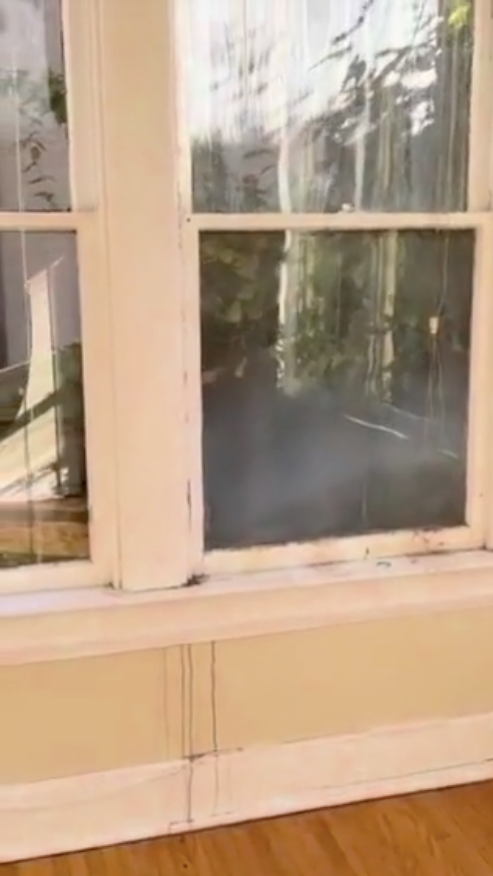
There’s obviously much more to comment on here, but I think you get the gist. When you’re renting, you don’t have that protection afforded by the option period that you get when you’re purchasing a home, and landlords are left to largely good faith when it comes to providing a safe environment for tenants. It would seem you would have to go down to the city and code enforcement to get some of these issues enforced if you can’t get your landlord to respond to repair requests. And we know how long a request like that could take.
One of the inspectors I talked to said sometimes house flippers will end up renting their properties because they can’t sell them due to not being able to get past a home inspection. So that should tell you something right there.
Our advice to renters? Be wary when renting from landlords who own only one or two properties, or smaller-sized operations. Knock on some doors and ask some other tenants how things are run. Bring your own handyman or even a home inspector along on your walk-through. Read the lease agreement thoroughly, and ask questions about the maintenance request process, especially if it’s an older or historic property.