
Your Historic Tile Fireplace Could Be Worth Thousands!
Share News:

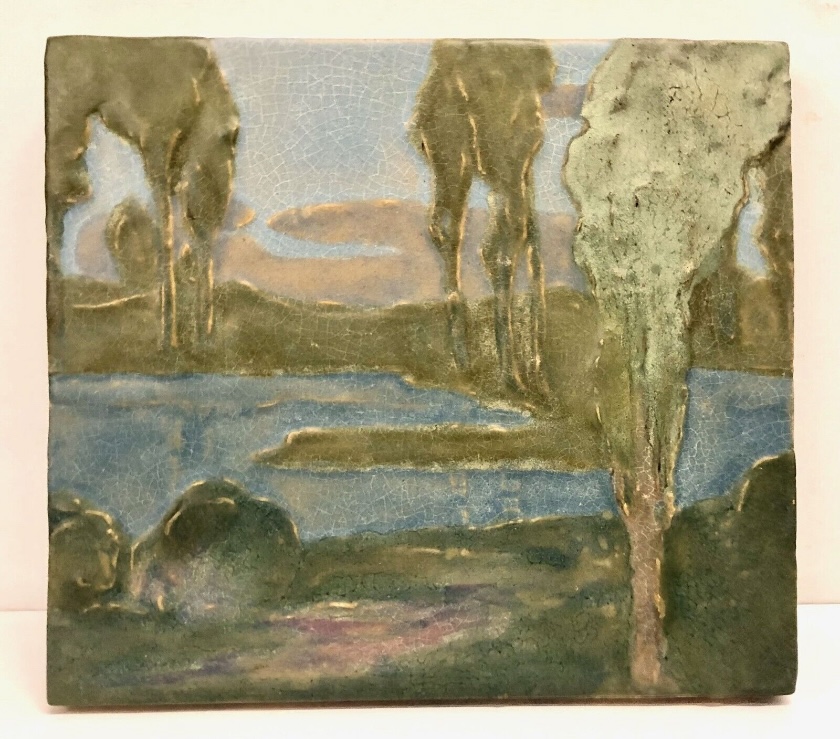
Historic homes, especially in East Dallas and Oak Cliff, are full of some of the most incredible detail. There are unique features, like painted wall murals, detailed ironwork, and plaster log decorative ceiling beams. But it’s the obvious features like historic tile fireplace surrounds and hearths that are often dismissed and, horror of horrors, painted over or even torn out.

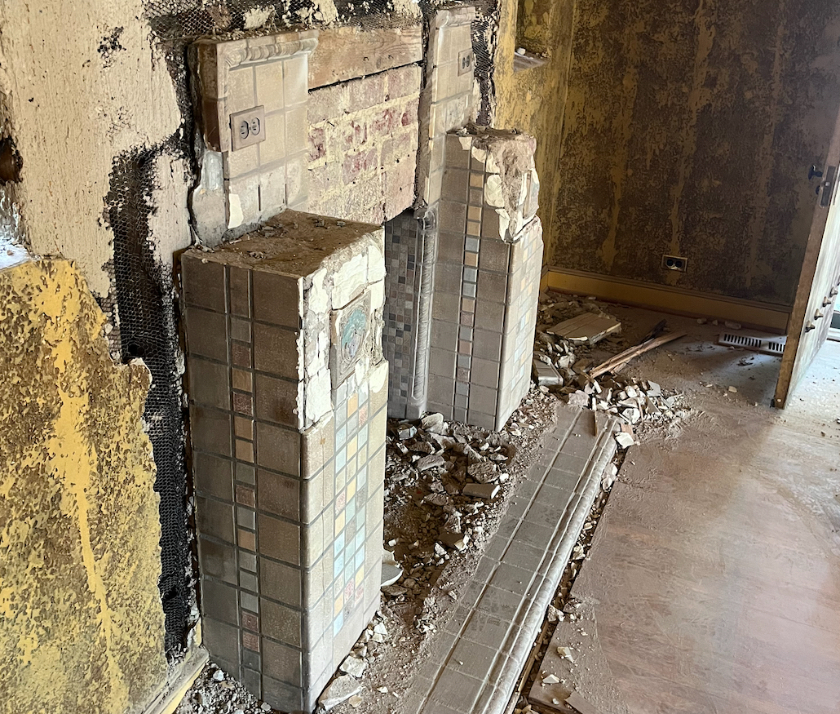
If you’ve purchased a historic home, learn the value of its features and especially the fireplace tile. If you have a vintage tile fireplace from the 1920s or 1930s, you’re looking at a value of about 20 grand.
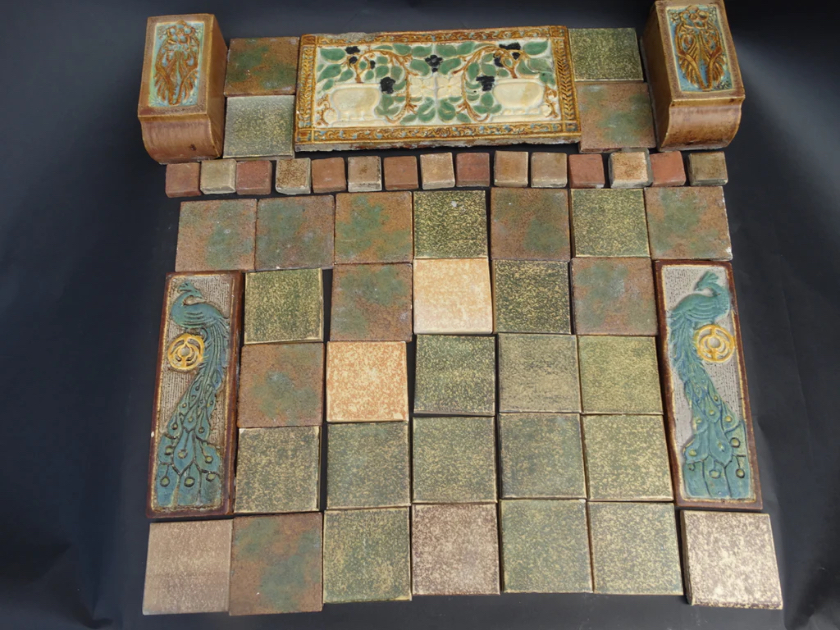
While we are most familiar with Rookwood and Batchelder historic tiles, there are lesser-known but equally cool tiles, like Calco, Malibu, and Muresque. Doing the research takes a deep dive into the Internet because tile companies often copy each other. But as I mentioned, the value is impressive, so it’s worth knowing what you have.
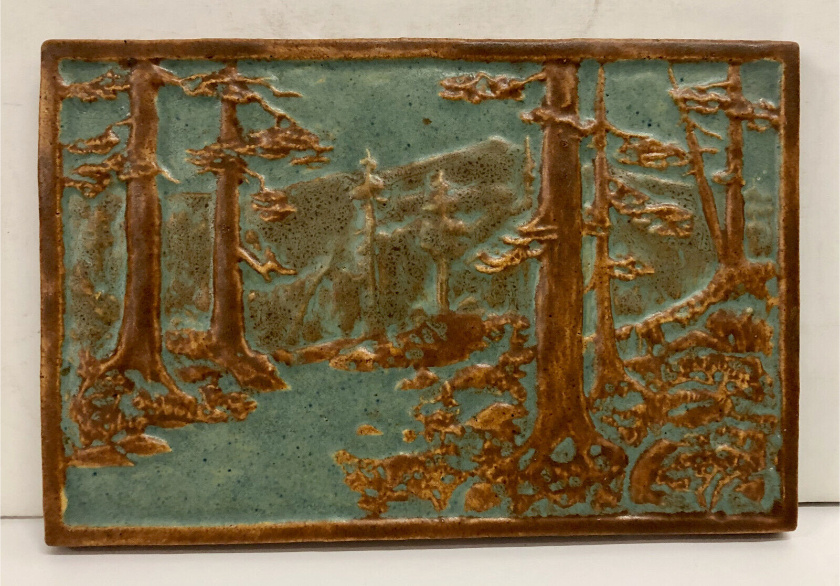
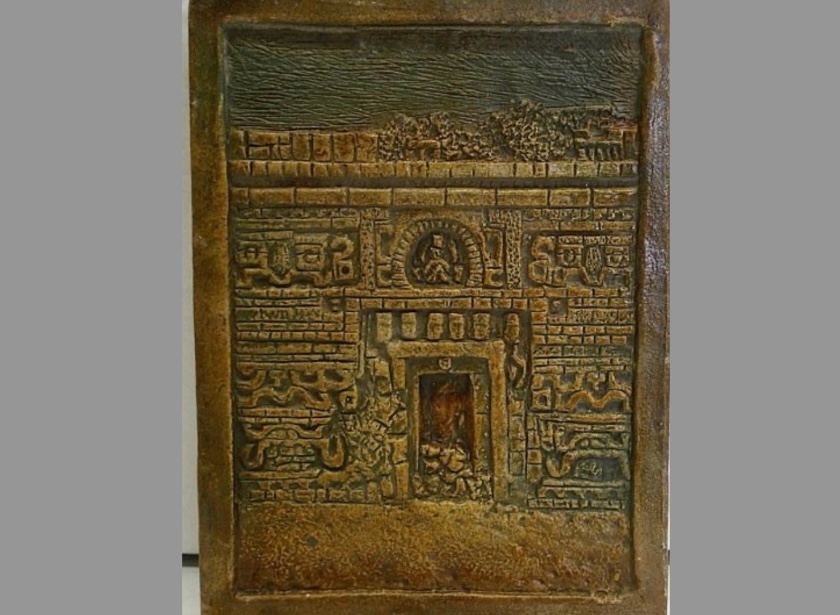
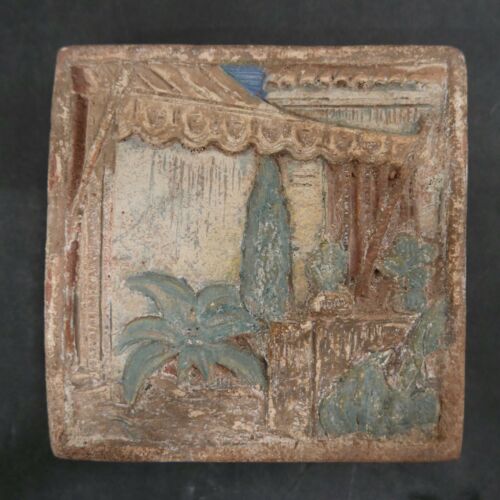
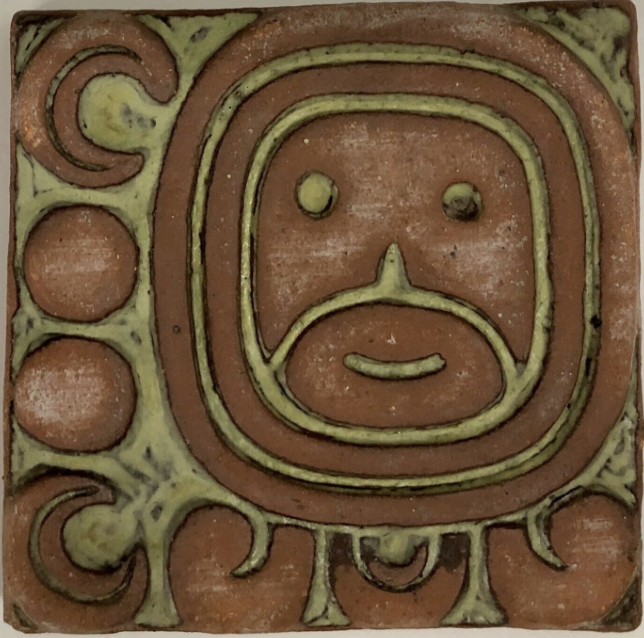
Rookwood is most often found in homes on Swiss Avenue, while Batchelder is generally found in Lakewood’s historic homes. Let’s dip into a bit of history so you can understand what you might be drinking your hot cocoa in front of every winter and why it’s so important.
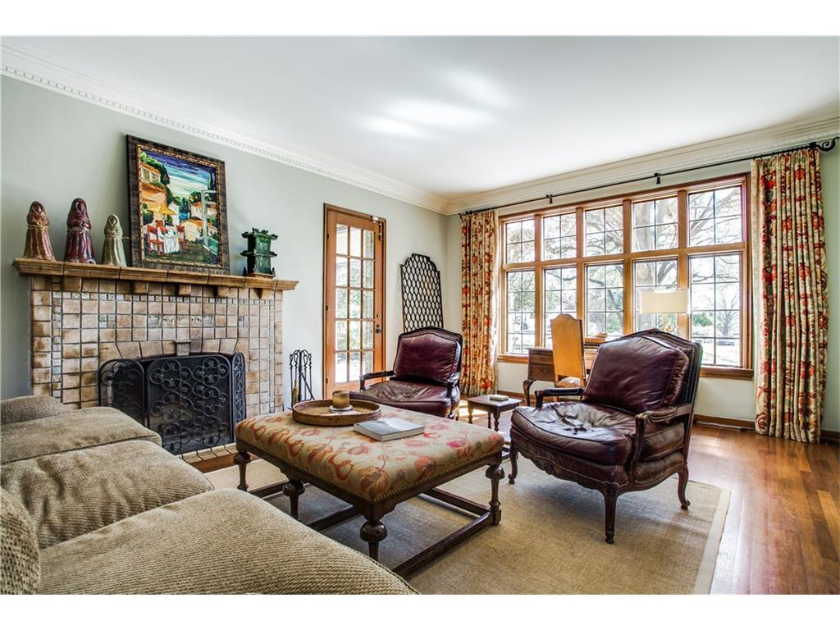
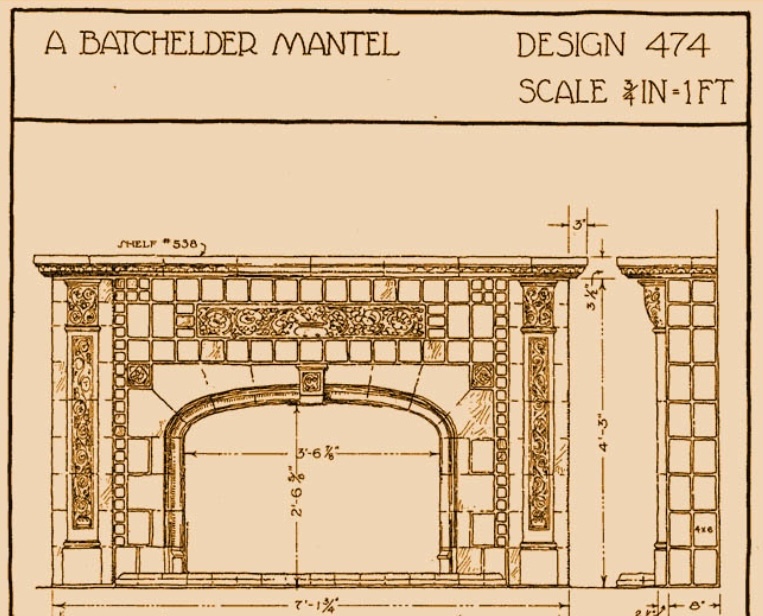
Ernest Batchelder taught pottery, tile-making, and metalwork at Throop Polytechnic Institute, which later became known as Caltech. He began his teaching career in 1901 and, by 1909, had installed a backyard kiln at his home. He was simply doing a job he loved, but the neutral colors he used, which often featured birds, flowers, and animals, resonated with people. His work became so popular that his little home-based hobby rapidly became a big business.
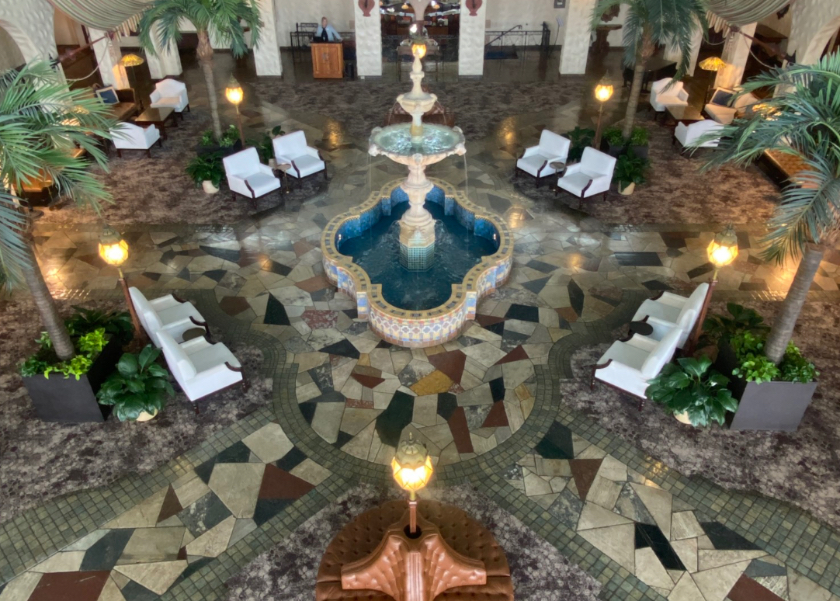
Batchelder became a leader in the American Arts and Crafts movement and a successful businessman with an excellent sense of marketing. His tiles were offered in fireplace catalogs, and, of course, builders responded with enthusiasm to the new and high-quality tile. By the 1920s Batchelder tiles were used in homes and commercial buildings throughout the country, most notably the Hotel Hershey in Pennsylvania. Batchelder’s original home, where it all began, is known as the Batchelder House and is on the National Register of Historic Places. The late architectural historian, Dr Robert Winter, lived in Batchelder House for many years and wrote Batchelder Tilemaker, the definitive history of Ernest Batchelder.

Rookwood is quite a bit older than Batchelder and was started by a woman who was well ahead of her time in both talent and intellect.
Maria Longworth Nichols Storer was born into a wealthy family in Cincinnati in 1849. At 19, she married Gordon Nichols, who had been hired to catalog her family’s vast art collection. By 22 she was the first woman to found a music festival in America, The Cincinnati May Festival, still celebrated annually. Wealthy young women in this era had time on their hands, and the artistically inclined Nichols began learning the art of painting China.
It became a passion, and in 1879, she and a fellow ceramics painter, Mary Louise McLaughlin, started a kiln at a local pottery shop. A year later, Nichols founded Rookwood Pottery, again breaking boundaries as the first woman in Cincinnati to own a pottery shop. Remember, she was only 31 at the time. She went on to win medals for her pottery at the Tenth Cincinnati Industrial Exposition and the Paris Exposition. After her husband died, Nichols remarried Bellamy Storer and in 1889, handed the company over to William Taylor, who incorporated her small factory.

Rookwood Pottery was eventually purchased and revived by Dr. Art Townley, and it continues to produce tiles and pottery today. The company still holds the original master molds, proprietary glaze formulas, and notes.
This history should serve as a reminder that these tiles were considered an art form. If your historic tile fireplace has been painted over, it’s not too late to restore its beauty. However, I strongly recommend seeking advice from a preservationist to ensure it’s done correctly. In Dallas, one of the most knowledgeable resources is construction consultant and designer Carol Gantt.
She has been known to completely salvage these fireplaces. It’s not easy, but frankly, you can do anything you set your mind to.
“We have cut a wall out to move a historic tile fireplace,” Gantt said. “They are built to last, so I would say, if you’ve bought a historic home, don’t be rash. Hang on and live with your fireplace. Trends come fast and then look outdated, so don’t do away with a piece of history that is already rapidly disappearing to have a trendy item you want to pull out in a few years. If you live with them, you become more sophisticated. You’ll find these historic tile fireplaces will grow on you. And remember, they add value to the house.”
Yep, about 20 grand! So, think twice before you touch that historic vintage tile in your home!
8 Comments
Leave a Comment






These tiles are so special. Thanks for the story!
Great article Karen. Love the accurate research as always.
Thank you Diane! I learned (and continue to learn) from the best 🙂 and yes that means you!
So interesting! Love the research and history! We love our Batchelder.
Loved this! Keep spreading the word.
Thank you, Karen, for your informative art tile fireplace review. Doylestown PA and especially nearby Trenton NJ were once sites of multiple art tile manufactories. Regarding the former, please google “The Good Shepherd Fireplace by Henry Mercer.”
Thanks Rabbi! Let’s hope people will share this information and think about what they are purchasing and why ripping out historic tile is a terrible option.
I love the information in this article. Having a historic tiled fireplace is a treasure! I was fortunate to find Muresque tile at a garage sale! I had no idea what they were but I instantly fell in love with them. I knew they could somehow end up on my fireplace. After doing a little research, I was shocked to find out what my $20 a piece tiles were worth! The tiles matched the existing brick colors of my fireplace that had been rebricked in the early 1990’s. I swear these tiles were meant to be in my 1931 home. I had them installed them in my fireplace in 2023. They are a conversation piece, and the highlight of my living room now.