
Is One of The Finest Neo-Greek Revival Mansions in Dallas Doomed?
Share News:

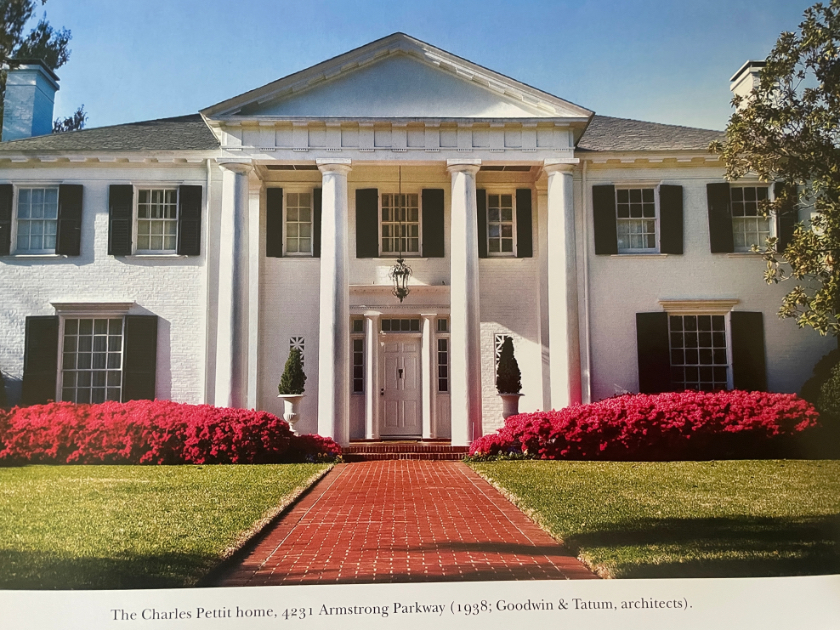
“Great American Suburbs Homes of the Park Cities, Dallas”
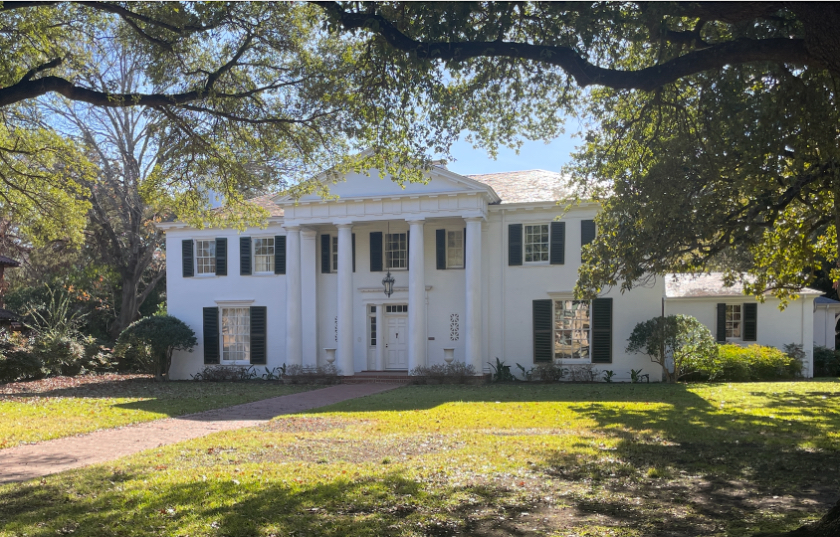
At Candysdirt.com, we often get tipped off about news and rumors, but with the demolition of the Mushroom House at 4200 Armstrong yesterday fresh on our minds, we’re apt to share this nugget: The beautiful 1938 Neo-Greek Revival at 4231 Armstrong Parkway, designed for oilman Charles Pettit, may be headed for the wrecking ball. It’s one of three custom homes Robert Goodwin and Herbert M. Tatum designed on Armstrong Parkway.
The home is important enough to have scored a full page photo by Steve Clique, in “Great American Suburbs, The Homes of the Park Cities, Dallas,” by Virginia Savage McAlester, Willis Winters, and Prudence Mackintosh, which is the best reference on Park Cities history and architecture to be found.
In this house, the architect incorporated A Greek Revival portico and pediment, which recall Thomas Jefferson’s Neoclassical facades at Monticello and the University of Virginia. In the Pettit residence, Goodwin & Tatum designed one of the finest Neo-Greek Revival houses in Dallas.
Great American Suburbs, The Homes of The Park Cities, Dallas
Pettit was, as my mom would always say, a big butter and egg man. In addition to being an oilman, he was also a rancher and soil conservationist. It is reported that he often claimed he could make two blades of grass grow where one grew before. When he purchased 7,200 acres of severely eroded and unproductive land near Walnut Springs in Bosque County, it was later described as a “living laboratory and textbook for ranchers and conservationists.” He was even recognized by then-Senator Lyndon B. Johnson for his land restoration. Pettit also established the 17,000-acre Flat Top Ranch and became well known for his Hereford cattle. The man was indeed one of Dallas’ early movers and shakers.
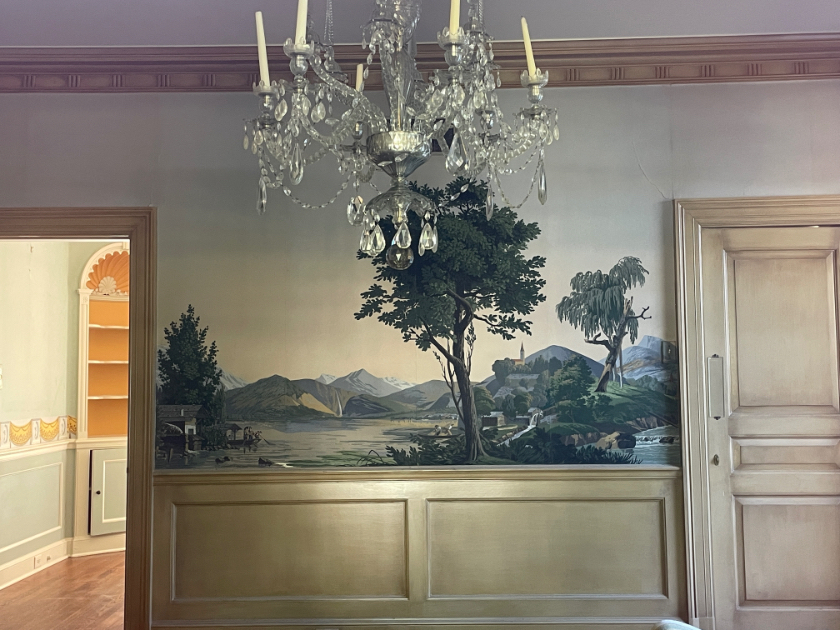
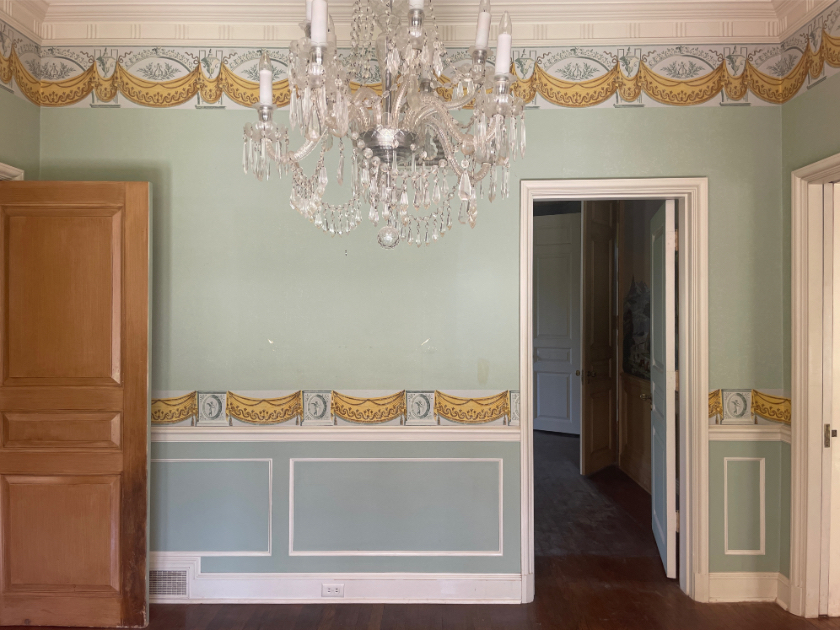


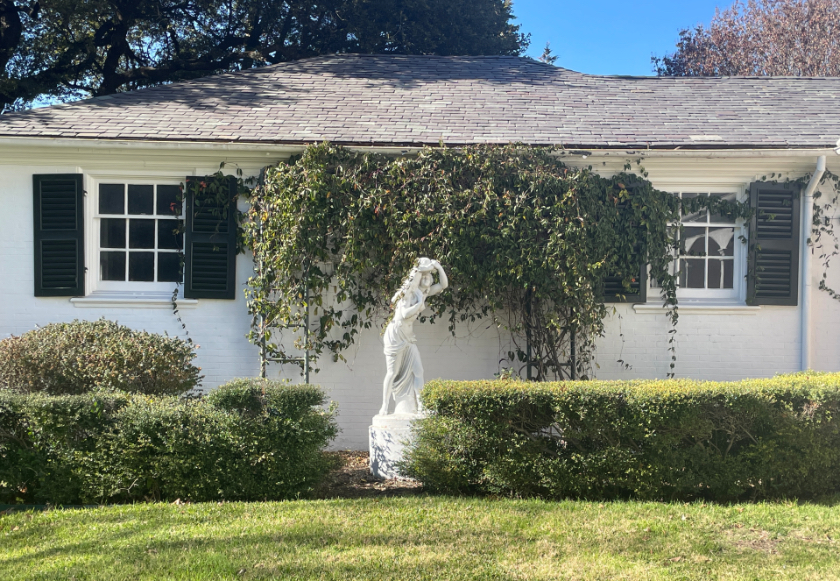
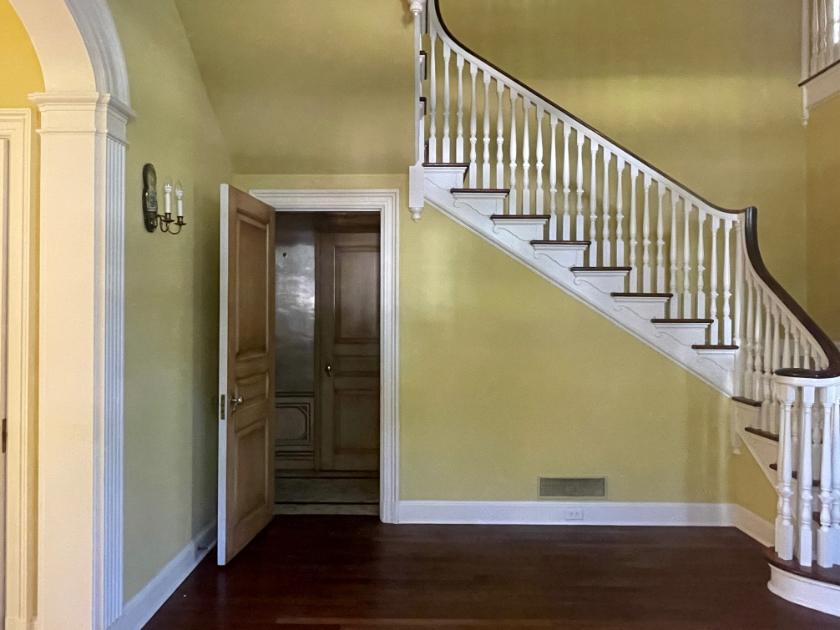
When respected preservationists deem a home one of the finest examples of its kind, it should certainly give us pause from both an architectural and a historical perspective.
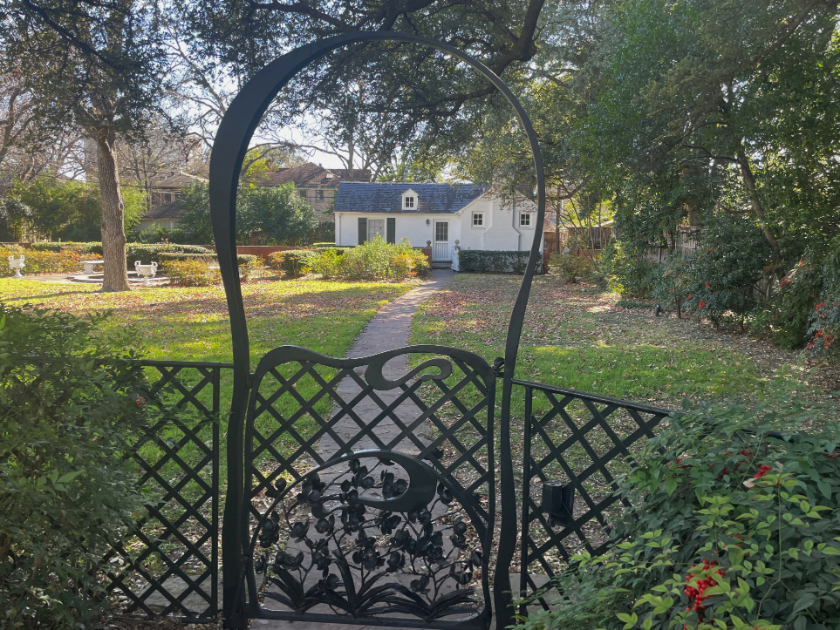
Homes have always been built to showcase wealth and one’s place in society. So, as heartbreaking as it may be to lose yet another architecturally and historically significant home in the Park Cities, demolition seems to be what many people consider progress. Frankly, if we fail to keep the “one of the finest Neo-Greek Revival houses in Dallas” standing, I think it’s a damn shame.
6 Comments
Leave a Comment






This is one of the most iconic homes on Armstrong Parkway. Losing this will really change the character of that street. I hope that it is not so.
If more space is needed, why not keep the facade and build behind it?
Well, Many people don’t value existing historic or architecturally significant homes and buildings. The new owners have their own dream home concept. In 50 years we will decry it being demolished.
I would love to buy the fence and gate….
Becky, isn’t that one of the most fabulous things you’ve ever seen? Perfectly framing the guest cottage. I’d venture to say it was Potter Art Iron Studios that created it.
Wasn’t this sold to a developer?
Hi Lindsey, I don’t have any information about who bought it.